Your Guide to pest control california - Tips & Options
Think pest control is just spraying bugs? That's not the whole story. A can of bug spray won't solve it. The real solution is different. Pest control in California is a serious job. Our state has unique pests. It requires a professional. It needs to be safe. It needs to last. If you're seeing pests, call us. You can reach us at +1 855 224 3071 for help.
Why Pest Control in California Is a Different Beast
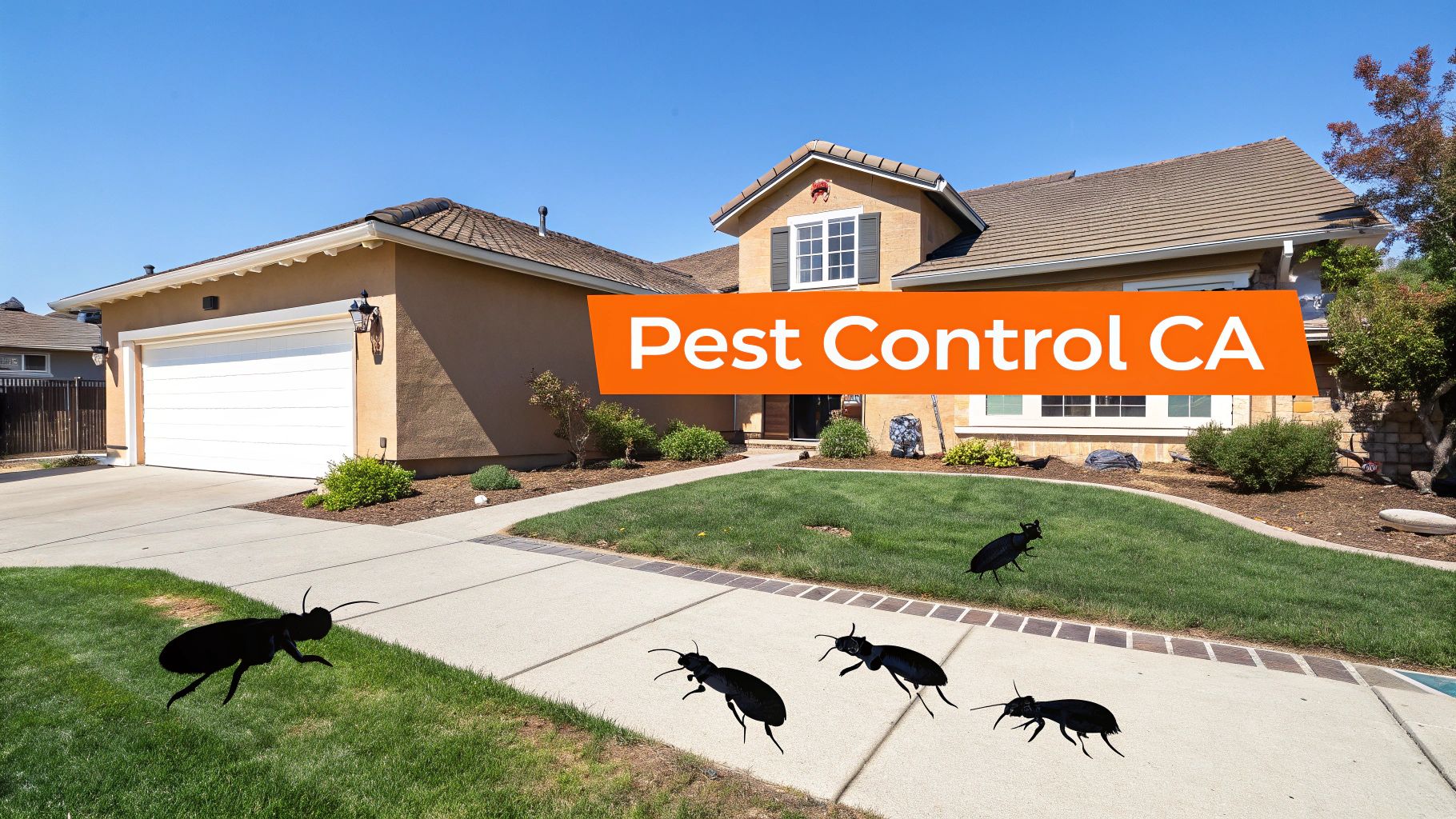
Pest control here is far more than just a spray-and-pray job. California’s wild swings in geography—from the bone-dry deserts down south to the damp, cool forests up north—create the perfect breeding grounds for a massive variety of pests. This isn't just a minor annoyance; it’s a serious issue that has shaped our industry for nearly a century.
This complexity is exactly why California has such a long history of tough regulations. Way back in 1932, reputable pest control operators got together to raise the bar and fight unsafe practices. Their hard work led to the nation's very first Structural Pest Control Act in 1935, proving that California has been committed to safety and professionalism from the start.
Diverse Climates Mean Diverse Pests
The Golden State's geography is the number one reason our pest problems are so varied. Each region has its own rogues' gallery of common invaders, and treating them requires specialized, local knowledge.
- Southern California: The warm, dry climate is basically an open invitation for destructive drywood termites, resilient cockroaches, and those massive, trailing colonies of Argentine ants.
- Northern California: Cooler, wetter weather brings out carpenter ants that chew through wood structures, not to mention rodents and spiders looking for a warm, dry place to hide.
- Central Valley: As the agricultural heartland, this area battles pests that threaten both homes and crops, creating unique pressure on houses that border farmland.
Knowing these regional quirks is everything. The signs of termites in a San Diego home look very different from a rodent problem in Sacramento. For a deeper dive into one of California's biggest threats, check out our guide on when is termite season to better protect your property.
If you're already seeing signs of trouble, don't wait for it to get worse. Call +1 855 224 3071 right now to connect with a local expert who knows exactly what pests you're up against.
Understanding California Pest Control Regulations
A flashy truck and a slick logo don't mean a company knows what it's doing. In California, looks can be seriously deceiving. The state’s regulations aren't just bureaucratic red tape—they're your first and best line of defense against shoddy work, dangerous chemical use, and flat-out scams.
Knowing how this system works is critical before you hire anyone for pest control in California. It’s designed to protect you, but only if you know how to use it. If you’re ever in doubt about a company, Call +1 855 224 3071 and we can help you verify their credentials on the spot.
The Two Pillars of Pest Control Safety
Think of California’s regulatory framework as having two essential guardians, each with a very specific job. Together, they make sure the services you get are safe, legal, and actually effective.
The Structural Pest Control Board (SPCB) is basically the DMV for pest control companies. It's the agency that issues licenses to businesses and technicians, sets the rules for inspections, and investigates when a homeowner files a complaint. If a company is legitimate, the SPCB knows about them.
Then there’s the Department of Pesticide Regulation (DPR). This is the watchdog for the chemicals themselves. The DPR dictates how pesticides are used, stored, and disposed of, ensuring the products applied in and around your home are safe for your family, pets, and the environment.
Why Different License Types Matter
Not all pest problems are created equal, and neither are the licenses to treat them. Hiring a company with the wrong license is like calling an electrician to fix a leaky pipe—they’re just not qualified for that specific job, and they can make a real mess of things.
In California, a pest control license isn't a one-size-fits-all credential. The specific branch license a company holds dictates exactly what kind of pests they are legally allowed to treat, ensuring specialists handle specialized problems.
It's absolutely vital to match the company's license to your pest problem. This is how you guarantee they have the right training and equipment to do the job right the first time.
- Branch 1 Fumigation: This is the big one. It's a highly specialized license for tenting and fumigating an entire building, usually to wipe out massive infestations of drywood termites or bed bugs.
- Branch 2 General Pests: This is the most common license you'll see. It covers all the usual suspects: ants, cockroaches, spiders, rats, and mice. If you have a common household pest, the company needs a Branch 2 license.
- Branch 3 Wood-Destroying Organisms: This license is all about pests that eat wood, like subterranean termites and carpenter ants. It covers localized treatments, wood-destroying pest inspections (often for real estate), and repairs.
So, what if you have both termites and ants? Your provider must be licensed in both Branch 2 and Branch 3. Always, always confirm they have the right licenses for your unique situation. Need a hand checking a company's license branches? Call +1 855 224 3071 and our team can help you.
How to Verify a Company’s Credentials
Checking a company’s license and insurance is the single most powerful thing you can do as a consumer. It takes just a few minutes and can save you from scams, property damage, and unsafe chemical exposure. Never, ever just take their word for it—do your own homework.
Here’s a simple, step-by-step guide to protect yourself:
- Ask for the License Number: A legitimate company will give you its SPCB license number without a second thought. If they hesitate, that's a huge red flag.
- Verify Online: Head over to the official SPCB website and use their license search tool. You can look up the company by name or license number to see if it’s active and in good standing.
- Check for Complaints: The online record will show any public complaints or disciplinary actions against the company. This is your window into their track record and professionalism.
- Confirm Insurance: Ask to see proof of their general liability insurance and a workers' compensation certificate. This is what protects you financially if a technician gets hurt or damages your property during the job.
This quick check is your best defense against shady, unlicensed operators. Taking these few minutes ensures the company you hire for pest control in California is the real deal—accountable, insured, and safe.
Identifying Common Pests Across California
Spotting a single bug might not seem like a big deal. You just want it gone, right? But in California, that one bug is telling a very specific story about your home, your region, and even the season. Knowing the difference between an unwelcome guest in San Diego versus one in San Francisco is the first real step to a lasting solution.
California's massive and incredibly varied landscape is like a collection of different countries, each with its own signature pests. A treatment that works wonders in the dry heat of Southern California could be completely useless in the damp, cool climate of the north. This is exactly why a one-size-fits-all approach to pest control in California almost always fails.
This diagram breaks down California's regulatory system, showing how the state’s Structural Pest Control Board (SPCB) and Department of Pesticide Regulation (DPR) work together. They oversee licensing and ensure homeowners are protected.

It’s a clear visual reminder that professional pest control is a structured, accountable industry—not some unregulated free-for-all.
California's distinct regions present unique pest challenges. What's a major headache in the south might be a minor nuisance in the north. The table below breaks down the common culprits you're most likely to encounter based on where you live.
Common Pests by California Region
| Region | Common Pests | Primary Risks |
|---|---|---|
| Southern California | Drywood Termites, Argentine Ants, Cockroaches | Structural wood damage, food contamination, asthma/allergies |
| Northern California | Carpenter Ants, Roof Rats, House Mice, Spiders | Wood damage, wire fires, insulation contamination, bites |
| Central Valley | Pocket Gophers, Ground Squirrels, Agricultural Pests | Foundation damage, destroyed lawns/gardens, crop spillover |
This regional knowledge is crucial because it allows a professional to anticipate problems and use the right tools for the job, rather than just reacting to what you can see.
Southern California Pest Pressures
The sun-drenched homes of Southern California are a paradise for pests that thrive in warmth and dryness. These invaders are often subtle at first but can cause immense structural damage and serious health issues if you let them get a foothold.
The most notorious villain is the drywood termite. Unlike their subterranean cousins, they don't need contact with the soil. They live directly inside the wood of your home, silently hollowing out beams, furniture, and structural supports for years before you notice.
Another huge issue is the Argentine ant. These tiny black ants in your house form massive "supercolonies" and march indoors in long, disciplined lines, especially during hot weather, looking for water and food. And, of course, cockroaches are a persistent threat, drawn to any hint of moisture in kitchens and bathrooms and capable of spreading bacteria wherever they crawl.
Northern California Invaders
As you head north, the cooler, wetter climate creates a totally different set of problems. Pests here are usually looking for shelter from the rain and dropping temperatures, making your home a prime target, especially in the fall and winter.
Carpenter ants are a major concern. They don't eat wood like termites do, but they excavate it to build their nests, which can easily compromise the structural integrity of your home. You'll often find little piles of sawdust-like shavings, called frass, near their nesting sites.
Rodents, especially roof rats and house mice, are also extremely common. They can squeeze through impossibly small openings to find warmth and food, creating serious risks by chewing through electrical wires and contaminating surfaces. Common spiders also become much more noticeable as they move indoors to escape the cold.
Identifying the specific pest is more than just putting a label on it; it's a road map. It tells a professional exactly what tools to use, where to look for the source of the infestation, and how to make sure the problem doesn't come roaring back.
Central Valley Agricultural Pests
The Central Valley's agricultural heartland creates a unique pest environment where farm and home life constantly intersect. Pests that thrive among the crops often spill over into residential areas, creating intense seasonal pressure on homeowners.
Growers in the region are always battling new threats, like the destructive carpophilus beetle in almond orchards. While it's mainly an agricultural pest, the sheer numbers generated in the fields can easily lead them to seek refuge in nearby homes.
On top of that, burrowing rodents like pocket gophers and ground squirrels are a massive problem. They destroy lawns, gardens, and can even undermine the foundations of houses. Their populations explode in the agricultural setting, making them a constant threat to surrounding properties. Understanding this link between farms and homes is vital for effective pest control in California's heartland.
Choosing Modern and Safe Treatment Options
Think pest control is all about heavy-duty chemicals? That a stronger smell means it's working better? That idea is a leftover from a bygone era. Modern, professional pest control in California is smarter, safer, and way more precise.
Today’s best practices are all about brains over brute force. The goal isn’t just to kill the pests you see, but to dismantle the entire system that lets them thrive in the first place—all while keeping your family and pets safe.
If you have concerns about the safety of pest treatments, Call +1 855 224 3071 to discuss modern, low-impact options with an expert.
The Rise of Integrated Pest Management
The biggest shift in the industry has been the move to Integrated Pest Management (IPM). Don't think of IPM as a single action, but as a thoughtful, multi-layered strategy. It’s like a detective investigating a crime scene rather than a soldier just launching an attack.
An IPM pro looks at the big picture. Why are pests here? What’s attracting them? How are they getting inside? Answering these questions leads to solutions that often have little to do with chemicals.
This philosophy has deep roots right here in California. The state started moving toward environmentally smarter strategies decades ago, a trend that continues to define what effective pest control looks like. You can learn more about this history from UC Agriculture and Natural Resources.
Key Components of an IPM Strategy
A real IPM plan is a cycle of assessing the problem, taking action, and monitoring the results. It combines a few key tactics to get long-term control with the least possible risk.
- Inspection and Monitoring: A pro will thoroughly inspect your property to identify the exact pest, figure out how bad the infestation is, and pinpoint entry points and attractants like food or moisture.
- Exclusion and Habitat Modification: This is the most crucial step. It means sealing cracks, repairing screens, fixing leaky pipes, and giving you advice on landscaping or storage changes to make your home less inviting to pests.
- Targeted Treatments: When chemicals are needed, they’re used strategically. Instead of widespread spraying, an IPM approach uses precise, targeted methods right where they’re needed.
This smarter approach is at the core of responsible pest control in California. To see how it works in practice, check out our guide on what is integrated pest management.
Prioritizing Child-Safe and Pet-Safe Solutions
For any family, safety is the number one priority. Thankfully, modern pest control offers a range of highly effective solutions that minimize risks to kids and pets. These methods are designed to be tough on pests but gentle on your home environment.
The most advanced pest control methods are about precision, not power. They target the pest’s biology and behavior directly, which dramatically reduces the amount of product needed and minimizes exposure for your family and pets.
Here are some of the safest and most effective options available today:
- Targeted Bait Systems: Gel baits for ants and cockroaches are applied in tiny, specific amounts in cracks and crevices where pests hide but children and pets can't reach them. Rodent bait stations are tamper-resistant, making sure only the target pest can get inside.
- Botanical-Based Products: Many modern insecticides use active ingredients derived from plants, like pyrethrins from chrysanthemums or essential oils like rosemary and peppermint. These products are effective at killing or repelling pests but break down quickly in the environment.
- Insect Growth Regulators (IGRs): These products don't kill pests outright. Instead, they mess with the life cycle of insects like fleas and cockroaches, preventing them from growing up or reproducing. This collapses the population over time without the use of traditional toxins.
Choosing a company that specializes in these modern methods ensures you get a solution that works without putting your family’s well-being at risk. To find a provider who uses child- and pet-safe treatments in your area, Call +1 855 224 3071 for a fast, free consultation.
What to Expect from a Professional Service
Hiring a pest control company can feel like a shot in the dark. You worry about vague contracts, surprise fees, and whether the problem will even get fixed. But when you work with a real pro, the process is actually straightforward, transparent, and puts you in control.
Knowing how a legitimate pest control California company operates is your best defense against getting ripped off. From the first phone call to the final follow-up, there's a clear and predictable path. If you just want a no-nonsense breakdown of what a service should cost, Call +1 855 224 3071 for a free explanation.
The Initial Phone Call and Inspection
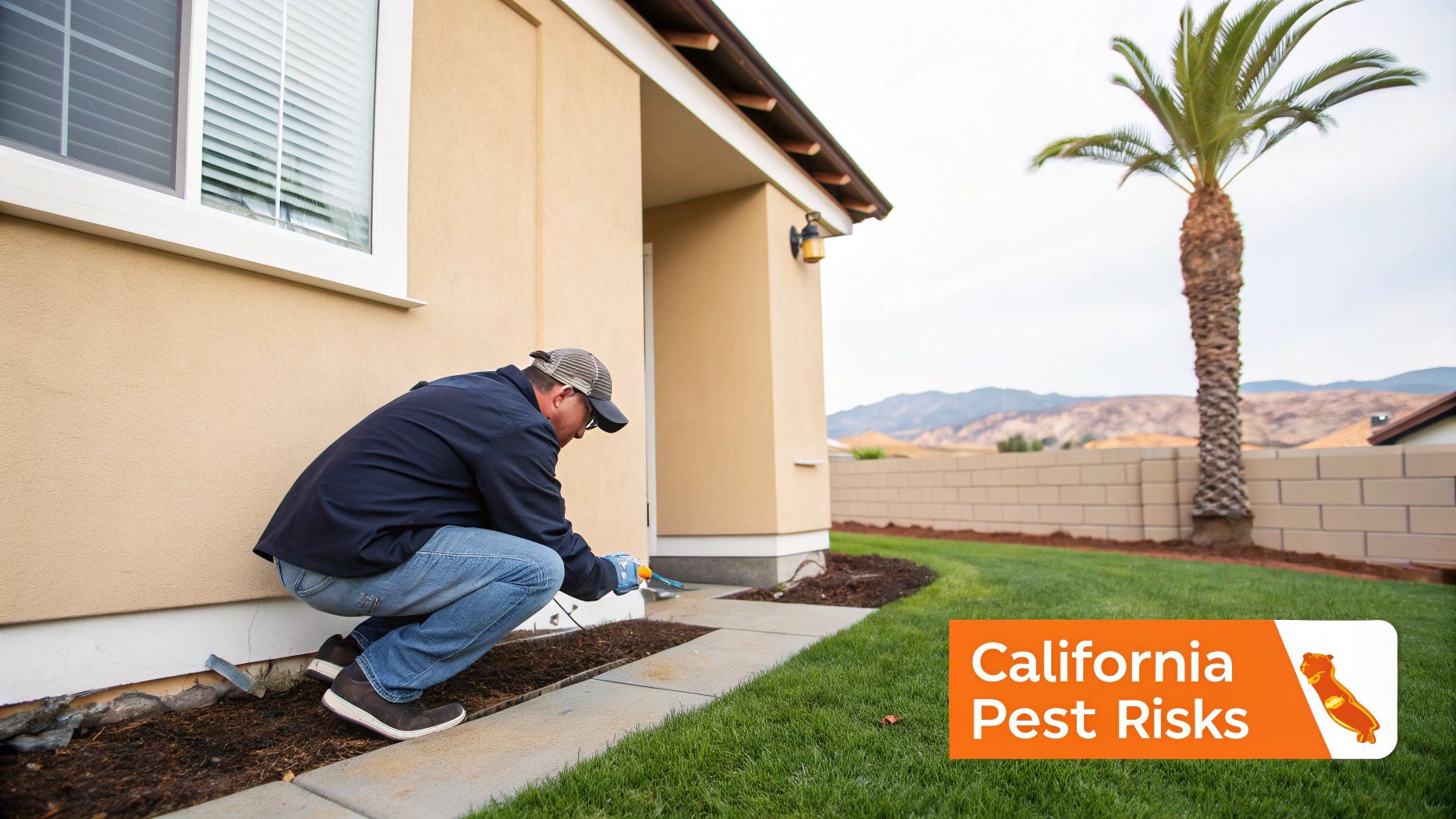
Your first conversation tells you a lot. A true professional won't just throw a price at you over the phone without seeing the property first. Instead, they’ll listen to your problem and schedule a detailed, on-site inspection. Think of it as a diagnosis before the prescription.
This inspection is the foundation for everything that follows. A skilled technician will get to work and:
- Identify the Pest: They’ll confirm exactly what you're up against, whether it’s pavement ants, roof rats, or subterranean termites.
- Determine the Infestation Level: They’ll figure out how bad the problem is. Is it a small, localized issue or a full-blown invasion with nests hidden in your walls?
- Evaluate Your Property: They’ll hunt for the root cause, checking the inside and outside of your home for entry points like foundation cracks, leaky pipes, or cluttered gutters.
Understanding the Estimate and Service Contract
After the inspection, you should get a detailed, written estimate—not just a number scribbled on a business card. This document is your game plan. It should clearly spell out the scope of work, the specific pests being targeted, and the exact methods they plan to use.
The service contract is just as critical. It should specify the terms of service, including how often they’ll visit for ongoing plans, what their guarantee covers, and the total cost. Never sign anything you don’t fully understand. If you have a quote from another company and want a second opinion, Call +1 855 224 3071 and our team can walk you through it.
A professional pest control estimate isn’t just a number; it’s a strategic plan. It should detail the 'what,' 'why,' and 'how' of the proposed treatment, giving you complete clarity before any work begins.
Key Factors That Influence Pricing
Ever wonder why your neighbor’s pest control bill is different from yours? It’s because pest control is not a one-size-fits-all service. Several key factors determine the cost of professional pest control in California, and knowing them helps you see the value you’re getting.
- Pest Type: Treating a hidden termite colony is a whole different ballgame—and price point—than managing a simple ant trail in the kitchen.
- Infestation Severity: A small, contained problem is always cheaper to solve than a massive, established infestation that’s had months or years to spread.
- Property Size: It takes more time and product to treat a large house with a big yard than it does a small apartment.
- Treatment Frequency: A one-time knockout service for a wasp nest will have a different price structure than a quarterly preventative plan designed to keep pests out year-round.
Getting a handle on the extermination and pest control industry as a whole can also give you a better idea of the standards and services you should expect.
The Importance of Emergency and Same-Day Service
Some pest problems are genuine emergencies. A swarm of bees by your front door, a rat scurrying across the kitchen floor, or the sudden, horrifying discovery of bed bugs can't wait for a scheduled appointment next week.
A good company gets this. They have systems ready to dispatch a technician quickly to handle immediate threats to your family's health and safety. Yes, an emergency visit might cost more than a regular one, but the peace of mind and immediate protection are worth every penny. If you're dealing with a pest crisis right now, don't wait. Call +1 855 224 3071 for immediate help.
Proactive Home Pest Prevention Tips
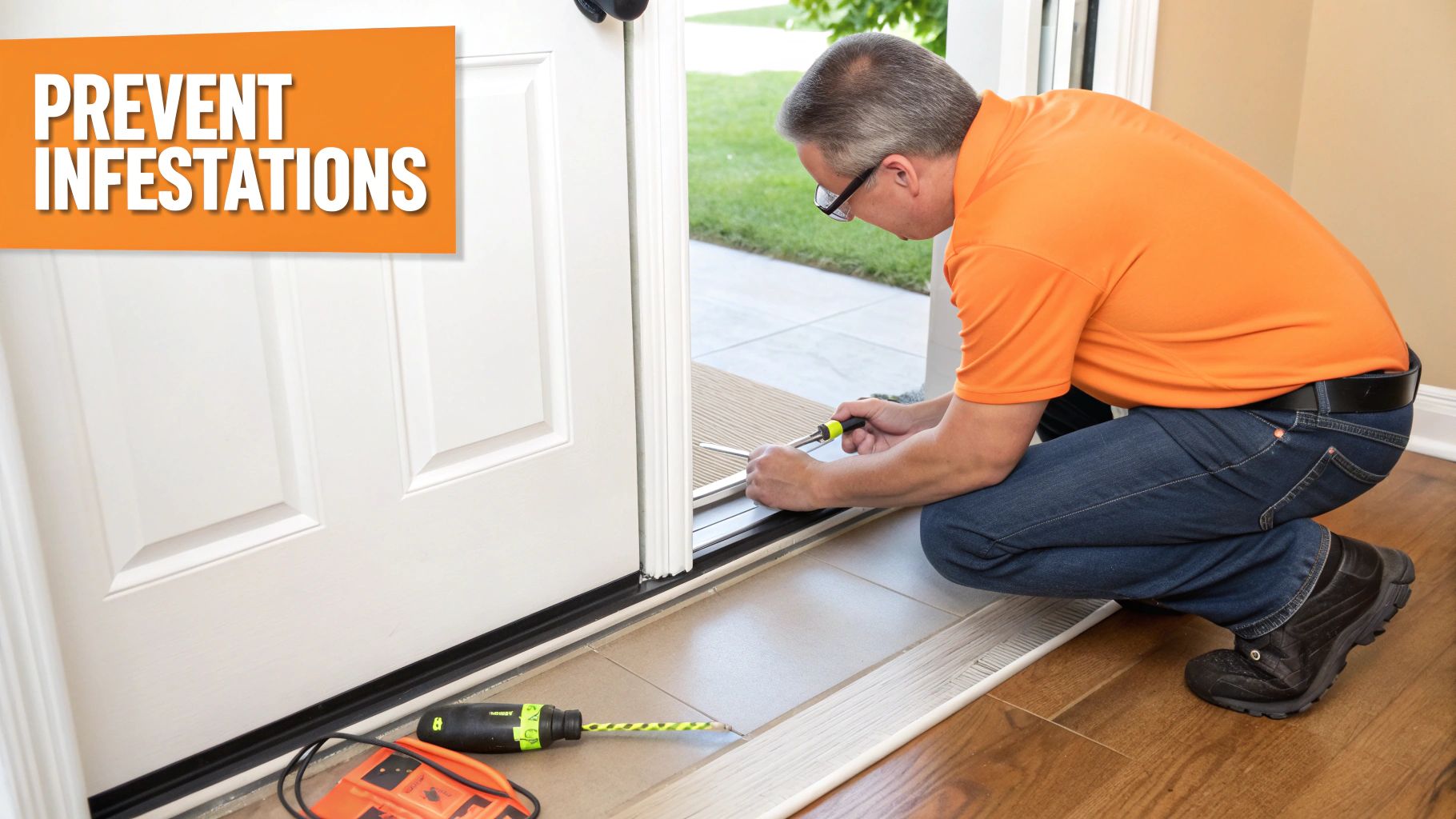
Think your house is safe just because you don’t see bugs? That’s a common mistake. Pests are absolute masters of hiding, often staying out of sight until you have a real problem on your hands. The best pest control California homeowners can practice is prevention—stopping an infestation before it ever gets a foothold.
It’s all about making your home as unwelcoming to pests as possible. By taking a few simple, proactive steps, you can create a fortress that ants, rodents, and cockroaches will simply bypass. This approach saves you stress, money, and the massive headache of dealing with a full-blown invasion down the road.
For a personalized prevention plan, Call +1 855 224 3071 to speak with a local pro.
Seal Off All Pest Entry Points
Your home might feel secure to you, but to a mouse or an ant, it’s filled with wide-open doors. Pests can squeeze through astonishingly small cracks and gaps to get inside. Sealing these entryways is your first and most powerful line of defense.
You have to think like a pest. Walk the perimeter of your house and look for any potential openings, paying close attention to areas where utilities enter the home, like pipes and wiring.
- Gaps in the Foundation: Use caulk or expanding foam to fill any cracks you find in the foundation or siding. Remember, a mouse can slip through a hole the size of a dime.
- Worn Weatherstripping: Check the seals around all of your doors and windows. If you can see daylight peeking through, pests can get in. Replace worn weatherstripping for a tight, secure seal.
- Utility Penetrations: Seal the gaps around pipes, electrical conduits, and AC lines with a combination of steel wool and caulk. Rodents can't chew through the steel wool.
- Damaged Screens: Repair or replace any torn or damaged window and door screens immediately. It's a simple fix that keeps flying insects out.
Eliminate Food and Water Sources
Pests invade your home for three basic reasons: food, water, and shelter. If you take away their access to food and water, your property becomes far less attractive. This goes beyond just keeping a clean kitchen—it’s about changing a few key daily habits.
Pests are survivalists. A few crumbs on the counter or a small leak under the sink is a five-star buffet for them. Consistent cleanliness is one of the most effective pest deterrents available.
Start by making your kitchen a no-go zone. Store all food, including pet food, in airtight containers made of glass or hard plastic. Those cardboard boxes from the grocery store are no match for a determined rodent or a hungry cockroach.
Next, get serious about moisture control. Leaky faucets, dripping pipes, and clogged gutters create the damp environments that pests absolutely love. Regularly inspect under sinks and around appliances for any signs of leaks, and make sure your yard has proper drainage to prevent standing water, which is a breeding ground for mosquitoes.
If you need help spotting potential pest magnets, Call +1 855 224 3071 for a professional inspection.
Maintain Your Yard and Landscaping
Believe it or not, your yard can act as a superhighway for pests leading directly to your front door. Overgrown vegetation, piles of debris, and even certain plants create perfect hiding spots and bridges for insects and rodents to access your home.
Keep tree branches and shrubs trimmed back at least three feet from your house. This simple step eliminates easy access points for ants, spiders, and rodents trying to climb onto your roof or siding.
Additionally, clear away any leaf litter, woodpiles, or general yard debris, as these are ideal nesting sites. Smart landscaping is a critical part of any effective pest control California prevention strategy.
California Pest Control Questions Answered
There's a common myth that "eco-friendly" pest control is just a nice idea—that natural methods are somehow weaker or less effective than old-school chemicals. The truth is, modern green pest control is often more successful in the long run. It's about being smarter, not just stronger.
This final section cuts through the noise and gives you direct answers to the most common questions we hear about pest control in California. If you don't see your question here, just give us a ring. Call +1 855 224 3071 for immediate help.
How Often Should My Home Be Treated for Pests?
There's no one-size-fits-all answer here; it really depends on where you live and what pests are knocking at your door. For most California homeowners, a quarterly or bi-monthly preventative service is the sweet spot. It keeps the barrier around your home strong without overdoing it.
However, if you're in what we call a "high-pressure" zone—think homes backing up to a canyon, an open field, or agricultural land—you might need monthly service to keep pests from constantly trying to move in. The only way to know for sure is a professional inspection. For a straight answer on what your home needs, Call +1 855 224 3071.
Are Eco-Friendly Pest Control Methods Really Effective?
Absolutely. When a trained professional uses them correctly, eco-friendly methods rooted in Integrated Pest Management (IPM) deliver far better, longer-lasting results. They flat-out work.
The goal of modern pest control isn’t just to spray and pray. It's to break the pest life cycle and fix the conditions that let them thrive in the first place. This is what creates a real, sustainable solution with minimal impact on your family and pets.
Instead of just blanketing an area with harsh chemicals, an IPM strategy gets to the root cause. This involves using targeted, lower-toxicity products like botanical oils and insect growth regulators, sealing up tiny entry points, and getting rid of the food and water sources pests love. The result? A home that’s naturally hostile to pests.
What Red Flags Should I Watch Out For?
Hiring the wrong company can turn a tiny pest issue into a nightmare. It's crucial to spot the warning signs before you sign anything.
Be wary of these clear red flags:
- Quotes Without an Inspection: Never, ever trust a price given over the phone without a visit. A true pro has to see your property to understand the scope of the problem.
- High-Pressure Sales Tactics: If someone is pushing you to sign a contract right now, show them the door. A reputable company will give you a written proposal and time to think it over.
- Unusually Low Prices: A price that seems too good to be true almost always is. It usually means an unlicensed operator is cutting corners with diluted or improper products.
- Vague Explanations: A good technician can clearly explain what pest you have, what the treatment plan is, and what products they're using. If you get vague, confusing answers, find someone else.
Protect yourself by only working with licensed, insured, and well-reviewed professionals. If you need help finding a trustworthy pest control California expert in your area, Call +1 855 224 3071.
Dealing with a pest infestation is stressful enough. Let Pest Control Service Finder do the hard work of connecting you with a reliable local expert who can solve your problem fast. For immediate, 24/7 help and a no-obligation quote, visit https://pestcontrol-service-finder.com.