Pest Control in Charlotte NC: A Homeowner's Guide
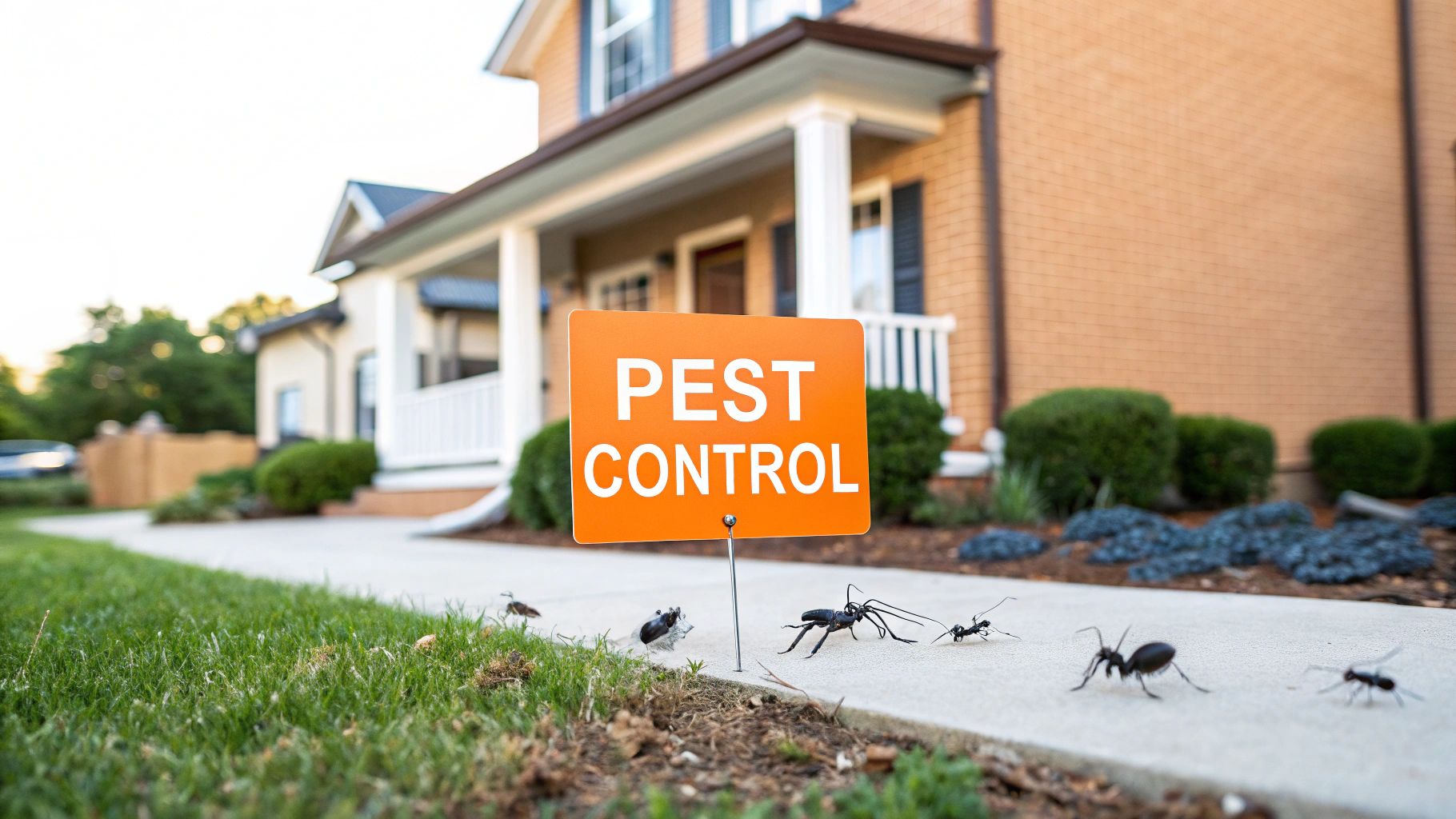
Think pest control is just spraying bugs? Think again. That is old thinking. The best pest control is not about chemicals. It is about strategy.
For truly effective pest control in Charlotte NC, you must understand what pests really want. Hint: it's not just about the crumbs you can see. Like Cincinnati, Charlotte faces Southeastern pest pressures; explore pest control Charlotte NC for regional solutions. If you think you see a pest, the best first step is to Call +1 855 224 3071 for a fast, expert opinion.
The Unseen Pests In Every Charlotte Home
Countless Charlotte homeowners work hard to keep a tidy house. You sweep, mop, and wipe down counters religiously. So why are you still finding ants parading through your kitchen or spiders building empires in the corners?
Here's the hard truth: pests aren't just looking for a mess. They're looking for a place to survive.
Even the most spotless home in the Queen City provides the three things every single pest needs to thrive: food, water, and shelter. A tiny, slow leak under your bathroom sink is an endless water supply for roaches. A few stray crumbs behind the toaster are a five-star feast for ants. And the dark, undisturbed corners of your attic? That's a luxury condo for spiders.
Why Clean Homes Still Attract Pests
The idea that only "dirty" homes get pests is what stops many people from calling for help. It can feel embarrassing, like an infestation is a personal failing. But in reality, it has almost nothing to do with housekeeping and everything to do with your home's structure and Charlotte's environment.
Pests get into the cleanest homes because of things like:
- Hidden Moisture: That small, unnoticed drip in a crawl space or behind the washing machine creates the perfect humid hideout for pests like cockroaches and silverfish. Charlotte's humidity creates ideal silverfish conditions; humidity control Charlotte NC experts address root causes.
- Easy Entry Points: Tiny cracks in the foundation, small gaps where pipes enter the wall, or a torn window screen are wide-open doors for insects and rodents looking for shelter.
- Accessible Food Sources: You might keep your kitchen spotless, but pests are resourceful. They'll find food in pet bowls left out overnight, chew through cardboard pantry boxes, or live off the residue in your trash can.
- Landscaping Bridges: Tree branches touching your roof are a highway for ants. Mulch piled up against your foundation can become a dream home for termites.
The biggest mistake homeowners make is waiting. They see one or two bugs and think, "It's not a big deal yet." But by the time it feels like a big deal, it's a much bigger and more expensive problem to solve. If you've spotted even a few pests, that's the perfect time to get an expert opinion.
This is where modern pest control in Charlotte NC has gotten a lot smarter. It's less about just spraying chemicals and more about a strategic approach called Integrated Pest Management (IPM).
Think of IPM as a long-term defense strategy. It focuses on prevention, constant monitoring, and using targeted, low-risk treatments only when necessary. It's about understanding a pest's behavior and your home's specific weak spots to create a solution that actually lasts.
If you suspect you have uninvited guests despite your best cleaning efforts, don't wait for the problem to get worse. A professional can pinpoint the real source of the issue and build a plan to shut it down for good.
For a fast, no-obligation assessment from a local Charlotte expert, Call +1 855 224 3071 right now.
Charlotte's Seasonal Pest Invasion Calendar
If you think a spider showing up one day and ants the next is just bad luck, think again. Here in Charlotte, pest activity isn't random at all—it's a predictable cycle tied directly to our four distinct seasons.
Knowing this calendar gives you a massive advantage. It helps you get ahead of the game, turning a potential infestation into a simple prevention task. Smart pest control in Charlotte NC is all about knowing what's coming and when.
Modern pest management has moved way beyond just spraying and praying. It's a strategic process designed to keep homes safe and pest-free year-round.
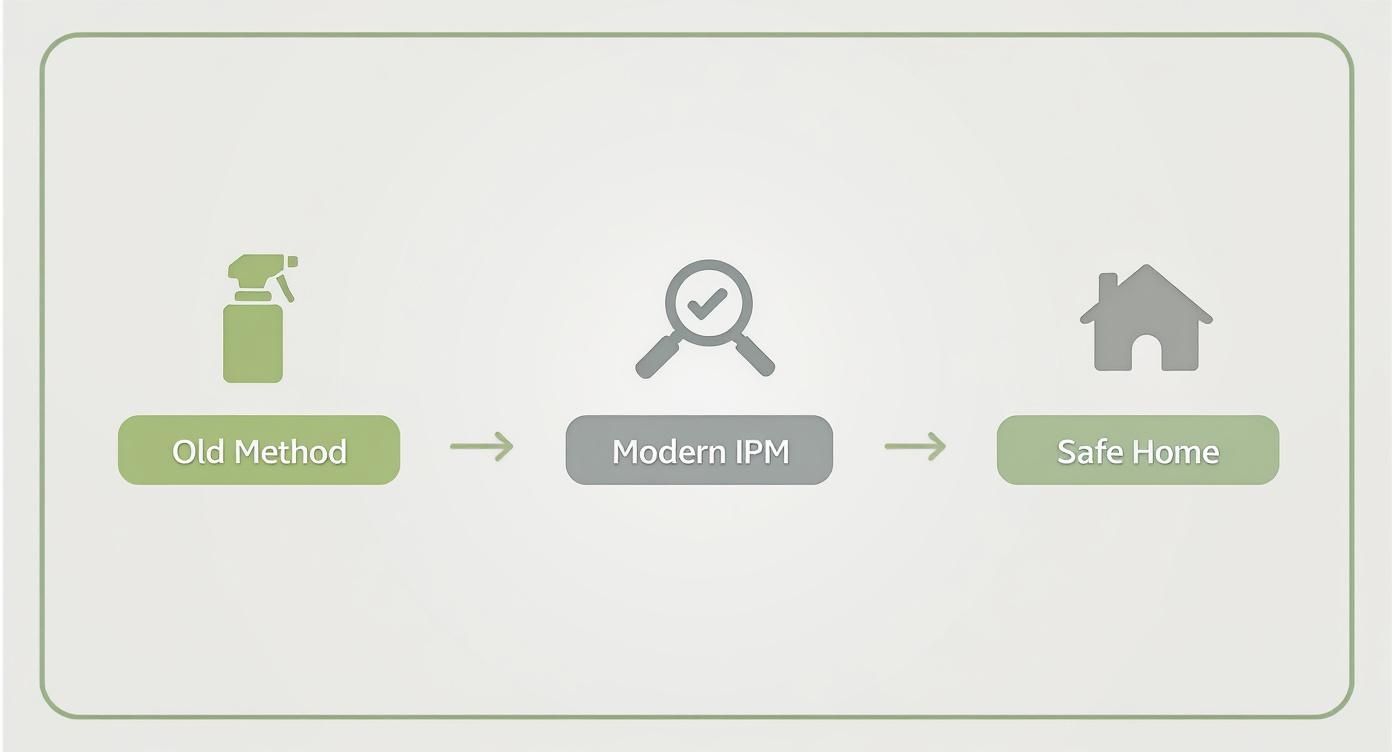
This proactive approach is the key to stopping pests before they ever become a full-blown crisis.
Spring Awakening: The Ant and Termite Surge
Once the Carolina frost thaws and things warm up, so do the pests. Spring is a season of rebirth, and unfortunately, that includes insect colonies that laid low all winter.
For Charlotte homeowners, this means two major invaders are on the march: ants and termites. The warmer, wetter weather is the perfect signal for them to start foraging for food and building new nests. Carpenter ants are common in the Southeast; connect with Charlotte ant control specialists for effective treatment.
You'll suddenly see those neat little lines of ants heading for your kitchen counters, hunting for any crumb you might have missed. But at the same time, a much quieter—and far more destructive—threat is starting its swarming season: termites. These winged pests leave their colonies to mate and start new ones, often choosing the wooden frame of your house to do it. Charlotte's humid climate extends termite season; learn about termite control Charlotte and prevention strategies.
If you spot a pile of discarded wings on a windowsill, that's a huge red flag. For fast identification and action, Call +1 855 224 3071 before a small problem turns into a structural nightmare.
Summer Heat Brings Cockroaches and Wasps
Summer in Charlotte means one thing: heat and humidity. This climate is basically an open invitation for some of the most hated pests around: cockroaches and stinging insects like wasps and hornets.
Cockroaches, especially the German and American types common here, absolutely thrive in warm, damp places. They breed like crazy in the summer, squeezing into your home through drains and tiny cracks. Seeing just one often means a much larger group is hiding in your walls or under the fridge.
At the same time, wasps, yellow jackets, and hornets are building nests under your eaves, in the attic, or beneath the deck. An active nest is a serious threat, particularly for kids and pets. Trying to knock one down yourself is a recipe for a painful swarm of stings. This is a job best left to the pros.
Fall: The Great Rodent Migration Indoors
When that crisp autumn air rolls in, you're not the only one looking for a cozy spot to ride out the winter. As food gets scarce outside and temperatures drop, rodents like mice and rats begin a desperate search for shelter indoors.
Your home has everything they need: warmth, safety, and food. A mouse can slip through a hole the size of a dime, and a rat only needs a gap the size of a quarter. They'll follow pipes and wires into your attic, walls, and crawlspace, and you might not know they're there until you hear scratching noises at night or find chewed-up cereal boxes.
Rodents aren't just gross; they're dangerous. They chew through electrical wiring, creating a major fire hazard, and can spread dozens of diseases. Proactive fall pest control is crucial for sealing up entry points before they make your house their home.
Winter: Pests Seek Shelter from the Cold
You'd think winter would be a quiet season for pests, but many of them just move the party indoors. Spiders, stink bugs, and other insects that snuck in during the fall suddenly become a lot more noticeable.
While the bugs outside have slowed down, the ones already in your home are loving the climate control. You might find more spiders in corners and closets as they hunt for the other insects sheltering with them. This is the perfect time for an interior inspection to clear out any stragglers and make sure your home is sealed tight for the next spring surge.
Finding unwanted winter guests? A quick call can solve it. For urgent pest issues, 24-hour pest control Charlotte provides rapid response throughout Mecklenburg County. Call +1 855 224 3071 for a fast response.
The table below gives you a quick snapshot of this yearly pest cycle.
Seasonal Pest Calendar for Charlotte NC
This calendar breaks down which pests are most active each season and the tell-tale signs that they've moved in.
| Season | Common Pests | Key Signs of Infestation |
|---|---|---|
| Spring | Ants, Termites, Mosquitoes | Visible ant trails, discarded termite wings, mud tubes on foundation walls, buzzing mosquitoes. |
| Summer | Cockroaches, Wasps, Spiders | Droppings resembling coffee grounds, musty odors, visible wasp nests, increased spider webs. |
| Fall | Rodents (Mice, Rats), Stink Bugs | Scratching sounds in walls, gnawed food packages, droppings in pantries, stink bugs on windows. |
| Winter | Spiders, Indoor Roaches, Rodents | More visible spider webs, signs of rodents that have already moved in, cockroach sightings. |
By understanding these seasonal trends, you can stay one step ahead and keep your home protected all year long.
How To Spot a Hidden Pest Infestation
You might think a pest problem announces itself with a cockroach sprinting across your kitchen floor. That's a common misconception. The reality is, pests are masters of disguise, living and breeding right under your nose long before you ever see one out in the open.
The real first signs are much quieter—subtle clues most homeowners miss. Learning to spot them is like becoming a detective in your own Charlotte home.
Unexplained Sounds and Smells
Your home has a normal rhythm, a baseline of familiar sounds and smells. An infestation throws that rhythm off. You just have to know what to listen for.
Hear that faint scratching or scurrying inside the walls at night? That's not just the house "settling." It's a classic sign of rodents carving out pathways in your ceiling voids and wall cavities.
Likewise, a persistent, musty, or oily odor that you can't place could signal a serious cockroach problem. Roaches release aggregation pheromones that build up, creating a distinct smell that gets stronger as their numbers grow. If your senses are picking up on these clues, it's time to Call +1 855 224 3071 for a professional inspection.
Physical Evidence Pests Leave Behind
Beyond what you can hear or smell, pests leave a trail of concrete evidence. These tiny clues are undeniable proof that something is wrong, and identifying them is crucial for effective pest control in Charlotte NC.
Keep an eye out for these tell-tale signs:
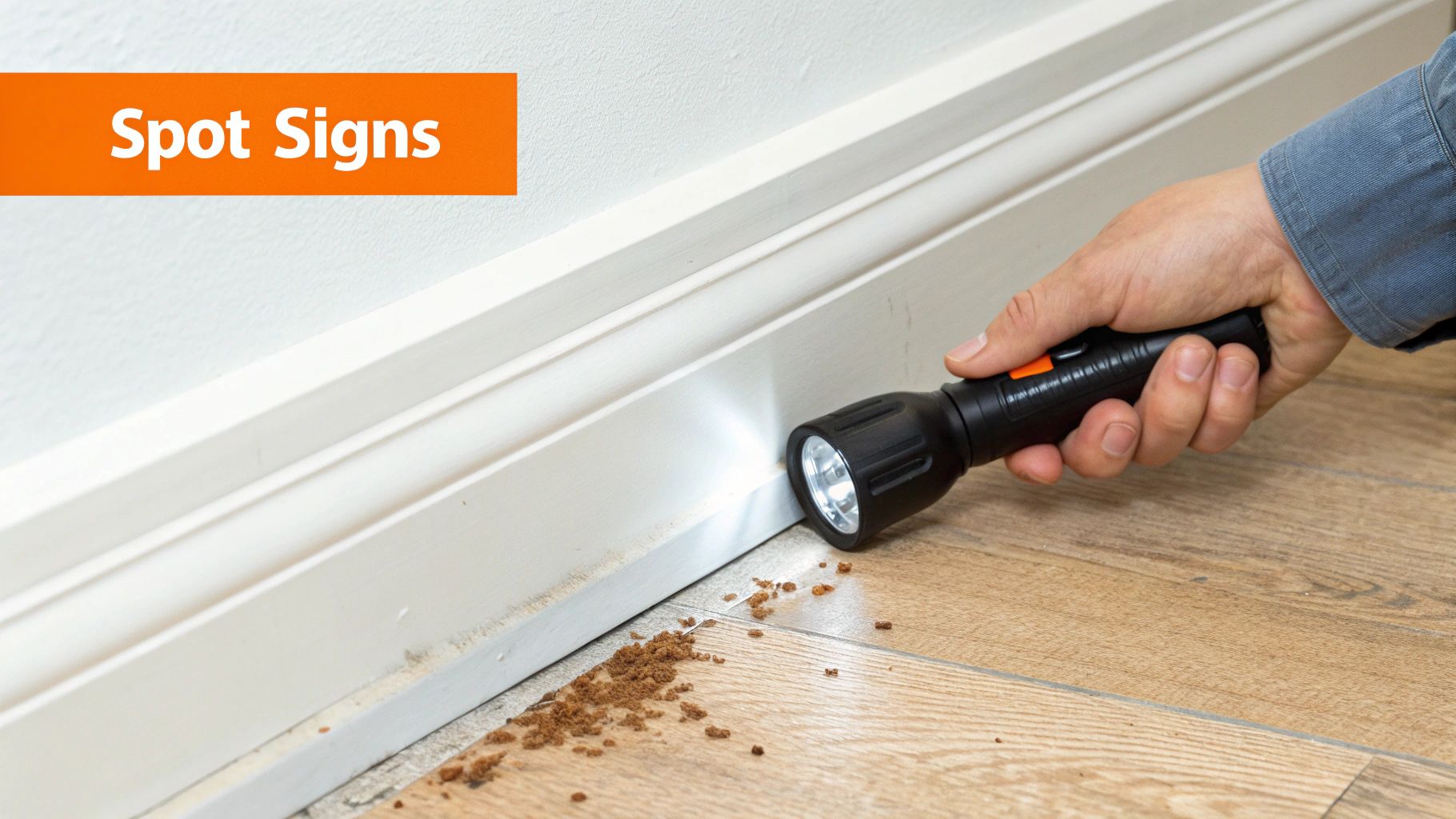
- Droppings: This is the most common calling card. Mouse droppings are small and dark, shaped like grains of rice. Cockroach droppings often look like specks of black pepper or coffee grounds. Finding them in pantries, under sinks, or along baseboards is a major red flag.
- Gnaw Marks: Rodents' teeth never stop growing, so they chew constantly to wear them down. Look for small chew marks on food packaging, furniture legs, and, most dangerously, electrical wiring. This not only confirms their presence but also points to a serious fire hazard.
- Nesting Materials: Pests will use anything they can find to build a nest. If you find little piles of shredded paper, fabric, or dried plant matter in quiet corners of your attic, basement, or behind appliances, you've likely found a nest.
- Grease Marks: Rats and mice are creatures of habit, often using the same routes day after day. The dirt and oil from their fur leave dark smudges along walls and floorboards, creating grimy little highways.
These clues tell a story, pointing you directly to who your uninvited guests are and where they're hiding.
Structural Damage and Mysterious Debris
Some of the most alarming signs of an infestation are the ones that affect the structure of your home. This kind of evidence often points to wood-destroying insects like termites or carpenter ants. Schedule annual structural pest inspection Charlotte to protect your home from termites and carpenter ants.
Be on the lookout for unexplained piles of fine, sawdust-like material. This is called frass, and it's a lovely combination of pest waste and excavated wood. Finding frass near wooden beams, windowsills, or baseboards is a strong signal of a carpenter ant or termite problem.
Other structural clues include:
- Wood that sounds hollow when you tap on it
- Paint that is bubbling or peeling in a way that mimics water damage
- Mud tubes climbing up your foundation walls—these are superhighways for subterranean termites
- Discarded wings near windows or doors, a classic sign of a termite swarm
Catching these subtle signs early is the difference between a simple treatment and a costly structural repair. Pests don't wait, and neither should you. An immediate professional diagnosis can save you thousands in the long run.
Historically, rodent infestations have been a recurring challenge in our area. As Charlotte has grown, so have the opportunities for pests to move in. This long-standing issue prompted local experts to develop smarter, more effective strategies. You can learn more about the history of rodent problems and modern solutions for pest control in Charlotte NC on this informative page from Carolina Pest.
If you spot any of these signs, don't brush them off. The problem you can't see is almost always bigger than the one you can. For immediate help identifying the source and scale of the issue, Call +1 855 224 3071.
Understanding Pest Control Costs in Charlotte
Let's clear the air: a bigger bug doesn't always mean a bigger bill. And grabbing a can of bug spray is almost never the cheapest long-term solution.
Budgeting for pest control in Charlotte NC, can feel like a guessing game. But it's more straightforward than you might think. There's no flat rate because every home and every infestation is unique. Knowing what factors into a quote is the first step to feeling confident you're getting a fair deal. For a clear, personalized price right now, just Call +1 855 224 3071.
Think of it like getting a car fixed. An oil change has a standard price, but a weird clanking noise requires a mechanic to pop the hood and diagnose the problem before they can give you a real cost. Pest control is exactly the same. The final price isn't just about the pest; it's about the entire situation.
Key Factors That Determine Your Price
A reputable Charlotte exterminator isn't just pulling numbers out of thin air. They're assessing several key variables to build a quote that actually solves your problem without charging you for services you don't need.
Here's what they're looking at:
- Type of Pest: Tackling a line of sugar ants on your kitchen counter is a world away from eliminating a hidden termite colony munching on your home's frame. Pests like termites, bed bugs, and rodents almost always cost more because they require intensive labor, specialized products, and often, multiple visits.
- Severity of the Infestation: Catching a small problem early is always cheaper. A single mouse is one thing; a full-blown infestation that's been brewing for months is another. More pests simply mean more time, more product, and a more complex strategy to get them out.
- Property Size: This one's pretty simple—the square footage of your home and yard directly impacts the amount of product and time a technician needs. Treating a 1,200-square-foot townhome will naturally cost less than servicing a sprawling 3,500-square-foot house with a large yard.
- Treatment Frequency: Are you calling for a one-time knockout punch for an active problem, or are you looking for a quarterly plan to keep pests out for good? A single treatment usually has a higher upfront cost, while an ongoing service plan breaks that cost down and offers continuous protection at a lower per-visit rate.
Getting a handle on these details demystifies the whole process. For a deeper look at national averages and what specific services cost, check out our complete guide on the cost of pest control services.
Realistic Price Ranges for Charlotte Services
While only a direct inspection can give you a firm quote, it helps to have some ballpark figures in mind. The numbers below should give you a realistic idea of what to budget for common pest issues here in the Charlotte area.
A professional quote isn't just a number—it's a battle plan to protect your home. It covers an expert diagnosis, safe and effective treatment, and the peace of mind that comes from knowing the job is done right the first time.
Estimated Pest Control Costs in Charlotte NC
This table breaks down some typical starting costs for common pests. Remember, these are estimates—your situation will determine the final price.
| Pest Type | Initial Service Cost Range | Quarterly Plan Cost Range | Common Factors Influencing Price |
|---|---|---|---|
| General Pests (Ants, Spiders) | $250 - $450 | $100 - $175 per visit | Size of home, exterior treatment needs, specific ant species (e.g., carpenter ants cost more). |
| Cockroaches | $300 - $600 | $125 - $200 per visit | Type of roach (German roaches are harder to treat), level of sanitation, number of treatments needed. |
| Rodents (Mice, Rats) | $350 - $700+ | Varies (often includes exclusion) | Severity of infestation, number of entry points needing to be sealed (exclusion work). |
| Termites | $1,200 - $3,000+ | $250 - $400 (Annual Renewal) | Linear footage of home, type of foundation (slab, crawlspace), type of treatment (bait vs. liquid). |
These ranges reflect professional-grade products, the expertise of licensed technicians, and the service guarantees that protect your investment.
If you're staring down an active pest problem, the fastest way to get a firm price is to talk to a pro. For a free, no-obligation quote from a vetted Charlotte expert, Call +1 855 224 3071 today.
How To Choose the Right Charlotte Exterminator
Think the best exterminator is just the one with the strongest chemicals? That was the old way of thinking. These days, the best pros in the business use brains over brute force.
Choosing a company for pest control in Charlotte NC is a big deal. You're not just hiring someone to get rid of bugs; you're letting them into your home and trusting them around your family. It takes a little homework, but getting it right means you can finally relax. North Carolina homeowners can find verified Charlotte NC exterminator services through our local directory.
The process isn't that different from hiring any other professional for your home. In fact, many of the same principles for spotting quality and trustworthiness in how to choose a reliable contractor apply here, too.
Verify Their Credentials First
Before you even think about reading reviews, start with the absolute must-haves: licensing and insurance.
In North Carolina, any company that applies pesticides for money must be licensed by the North Carolina Department of Agriculture & Consumer Services. This isn't just red tape—it proves they've met state standards for safety, knowledge, and handling chemicals the right way.
Insurance is just as critical. Ask to see proof of both general liability insurance and workers' compensation. This is what protects you from any liability if a technician has an accident on your property. Any legit company will have this ready to show you, no questions asked.
Feeling overwhelmed? Call +1 855 224 3071, and we'll connect you with a local pro who's already been vetted.
Look for a Modern Approach
The pest control industry isn't what it used to be. The days of just blanketing a property with harsh chemicals are long gone. Today, the gold standard is a smarter, more targeted strategy called Integrated Pest Management (IPM).
An IPM-focused company won't just show up and start spraying. They'll act more like a detective—inspecting your home to identify the pest, figuring out why it's there, and creating a plan that combines precise, low-impact treatments with long-term prevention, like sealing up entry points.
This is the difference between a temporary fix and a real solution. It's about solving the problem at its source.
Ask the Right Questions
Once you have a shortlist of licensed and insured companies, a few key questions will tell you everything you need to know about their professionalism and commitment to safety.
- What are your treatment options for homes with children and pets? A true professional will have clear safety protocols and be able to explain the specific child- and pet-safe products they use.
- Do you offer a service guarantee? Good companies stand by their work. Find out exactly what their guarantee covers, how long it lasts, and what happens if the pests come back.
- Who will be performing the service? Ask if their technicians are background-checked and arrive in a marked vehicle wearing a uniform. You should know who is coming to your door.
- Can you provide a detailed treatment plan? They should walk you through exactly what they plan to do, which products they'll use, and what you should expect to see after the service.
Trying to find a trustworthy exterminator can be a pain, but you don't have to do it alone. For comprehensive coverage of Charlotte pest control services including provider reviews, see our detailed guide. Our guide includes a full list of pest control Charlotte North Carolina contact numbers to help you get started.
For a faster, easier option, just Call +1 855 224 3071 to speak with a local, vetted professional right now.
Proactive Prevention To Keep Pests Out for Good
Think spraying for bugs is the only way to stop them? That's a common misconception. Real, lasting pest control isn't just about a one-time fix after you've seen a problem.
The smartest strategy for pest control in Charlotte NC, is stopping pests before they ever get inside. It's about making your property so unappealing to them that they just move on to an easier target.
This proactive mindset is at the heart of modern pest management. It's less about reacting to a crisis and much more about building a fortress pests can't get into. If you need help finding your home's weak spots, Call +1 855 224 3071 for a professional eye.
Seal Off All Pest Entry Points
Pests don't need a wide-open door to get inside your house. For ants, spiders, and even mice, a tiny crack around a pipe or a small gap under a door is like putting out a welcome mat.
Try to think like a pest for a minute. They're always on the lookout for small, hidden openings. Your job is to find and seal those gaps before they do.
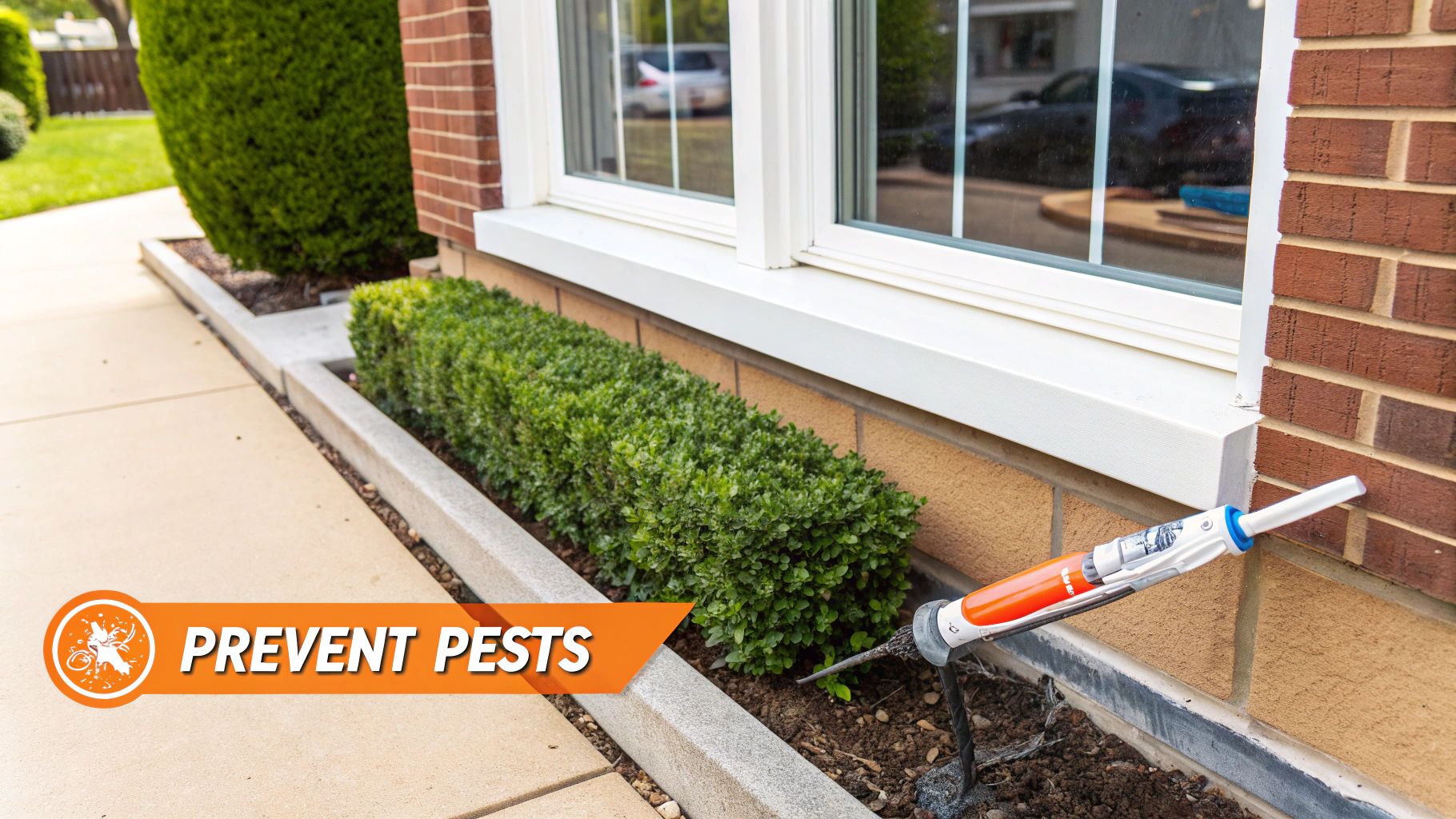
- Check Utilities: Look where pipes, wires, and vents come into your home. Stuff any gaps with steel wool—rodents can't chew through it—and then seal it with caulk.
- Doors and Windows: Install door sweeps on exterior doors and add fresh weather stripping. If you can see daylight peeking through, a bug can definitely squeeze in.
- Foundation and Siding: Do a slow walk around the outside of your house. Look for cracks in the foundation or gaps in the siding and seal up anything you find.
Manage Moisture and Landscaping
Water is life, especially for pests. That tiny, slow drip from a pipe under your sink can support a whole colony of cockroaches. Getting rid of excess moisture is one of the most powerful things you can do.
Beyond water, how you manage your yard plays a huge role in keeping pests out.
"A proactive approach to pest control is about source correction. By fixing leaks, improving drainage, and sealing entry points, you remove the very elements pests need to survive, making your home naturally pest-resistant."
Trim back any tree branches or shrubs touching your house—they're basically bridges for pests to walk right onto your roof or siding. Keep firewood stacks and mulch at least 20 feet away from your home's foundation to avoid giving termites and ants a perfect place to hide out.
Taking these steps is more than just good pest control; it's smart home maintenance. For more on this, check out these essential maintenance tips for rental properties, as the principles are the same for any homeowner. These are the kinds of strategies that get to the root of the problem, and you can learn more about some of the basics in our guide on do-it-yourself home insect control.
Your Charlotte Pest Control Questions Answered
A lot of folks think that for pest control to really work, it has to be harsh and dangerous. That "pet-safe" must mean "weak."
That's an old myth. Modern pest control in Charlotte NC is smarter, not just stronger. Today's pros use targeted, advanced methods that focus on pest biology and behavior—not just spraying everything in sight.
Are Pest Control Treatments Safe for Children and Pets?
Yes, absolutely. Any reputable Charlotte company puts safety first, using EPA-approved products and applying them with precision. The entire industry has shifted toward an approach called Integrated Pest Management (IPM), which is all about using the least amount of product necessary and starting with non-chemical solutions whenever possible.
The key is communication. Always tell your technician you have kids or pets. They'll take extra precautions and give you simple instructions, like keeping your dog out of a treated area until the product is completely dry. If you have any specific worries, Call +1 855 224 3071 to talk through the safest options for your family.
How Often Do I Really Need Pest Control Service?
This really depends on your property—its age, location, and any specific issues you've had before. But for most homeowners in the Charlotte area, a quarterly service plan is the gold standard for keeping common pests out.
Think of it like a protective shield around your home that gets reinforced every three months. It stops seasonal invaders like ants in the spring and rodents in the fall before they can get inside and build a nest. For bigger threats like termites, you'll need a more intensive initial treatment followed by annual inspections. To get a professional opinion for your specific situation, Call +1 855 224 3071.
A quarterly plan is like a security system for pests. It's a small, consistent investment that prevents a much larger crisis down the road, ensuring your home remains protected through every season.
What Should I Do Before the Exterminator Arrives?
Your technician will give you a specific heads-up, but prep is usually pretty straightforward. For a general pest service, you'll likely just need to clear off your kitchen counters and pull furniture a few inches away from the baseboards.
This simple step gives them clear access to the cracks and crevices where pests love to hide. For a more involved treatment, like for fleas, they might ask you to vacuum all your carpets and floors right before they arrive. A little bit of prep work goes a long way in making the treatment as effective as possible.
When you need fast, reliable answers and immediate help for pest control in Charlotte NC, don't wait for the problem to get worse. Pest Control Service Finder is a 24/7 hotline that connects you directly with pre-screened, local experts. Get your questions answered and your pest problems handled by visiting https://pestcontrol-service-finder.com.